Review: Mandala Embroidery Pattern Harmony
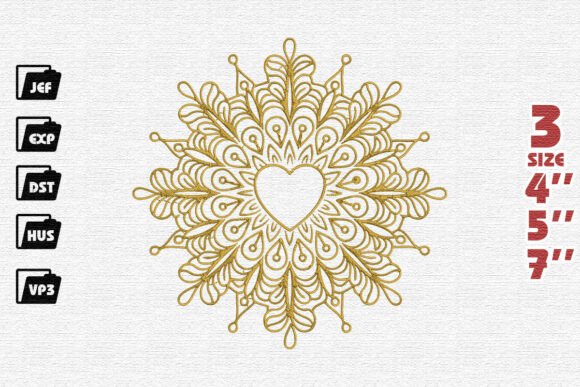
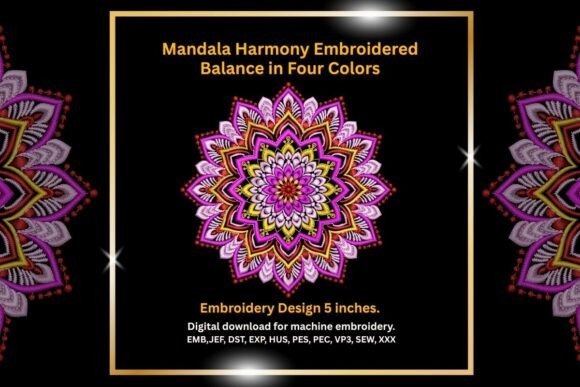
As a professional embroidery designer who has spent years translating digital files into tangible brand assets, I approach every new design with a critical eye. When small business owners and merch creators ask me to evaluate a machine embroidery design, they are not just asking if it looks pretty; they are asking if it will hold up under the rigors of commercial production. Today, I am reviewing the Mandala Embroidery Pattern Harmony. This specific file promises "sacred symmetry" in a 5-inch format, utilizing a palette of red, pink, and other shades. For boutique owners, Etsy sellers, and apparel decorators, understanding how this design translates from a screen to a finished product is the difference between a premium brand asset and a wasted thread count.
First Impressions: Elegance Meets Commercial Viability
The first time I loaded the Mandala Embroidery Pattern Harmony into my digitizing software, the visual impact was immediate. The description highlights "sacred symmetry," and that is exactly what the pattern delivers. It feels less like a trendy graphic and more like a timeless emblem. For a handmade brand or a creative studio, this design exudes a sense of calm and craftsmanship. However, the color palette—specifically the shades of red and pink mentioned in the product details—requires careful consideration. While these colors are vibrant and friendly, they can shift the brand identity from "premium and classic" to "playful and rustic" depending on the fabric weight and thread quality used.
In the context of small business merch, this design strikes a balance between decorative flair and professional structure. It is not overly busy, which is a common pitfall with mandala-style designs. The symmetry suggests precision, a trait that customers subconsciously associate with high-quality workmanship. If you are looking for a design to elevate your custom apparel line, this pattern offers a strong foundation for visual consistency across your product range.
Real-World Applications for Branded Merchandise
When evaluating a digital embroidery file for business use, I always visualize where it will live on a physical product. The Mandala Embroidery Pattern Harmony is specified as a 5-inch design, which opens several lucrative avenues for branding.
- Embroidered Patches: This is perhaps the most versatile application. A 5-inch patch featuring this mandala can be sewn onto denim jackets, canvas tote bags, or backpacks. The intricate details of the pattern allow for a rich texture that stands out against heavy fabrics. For a local café or bakery, these patches can serve as durable logos on aprons or staff uniforms.
- Tote Bag Design: Tote bags are a staple for eco-conscious brands. Placing this mandala on the front of a cotton tote creates an instant statement piece. The red and pink thread colors pop beautifully against natural beige or white canvas, making the bag an effective walking billboard for your shop.
- Cap Embroidery: While caps usually require smaller designs, a simplified version or a strategic placement of this mandala on the side panel or back of a cap could work well for event merch. However, care must be taken with the curvature of the cap surface.
- Product Labels and Accents: For handmade product lines, using a scaled-down version of this pattern as a woven label or a chest logo accent on shirts adds a touch of luxury. It signals to the buyer that attention to detail was paid to every aspect of the product.
For Etsy sellers and craft business owners, this design serves as a powerful tool for customer engagement. When a client sees a cohesive brand identity across their tote bag, apron, and gift packaging, trust in the brand increases. The Mandala Embroidery Pattern Harmony provides that necessary visual anchor.
Critical Considerations for Production
While the design is visually stunning, experienced designers know that beauty does not always equal ease of execution. There are specific scenarios where the Mandala Embroidery Pattern Harmony requires caution.
Stitch Density and Fabric Texture
Mandala patterns often rely on high stitch density to achieve their intricate look. On textured fabrics like fleece, knit polos, or heavy canvas, this density can cause puckering if the wrong stabilizer is used. I strongly advise testing this design on a scrap piece of your intended fabric before committing to a full run. The interplay between the red and pink threads needs to be balanced so that one color does not overwhelm the other, especially on dark uniforms where contrast is key.
Size Limitations and Curved Surfaces
The 5-inch specification is substantial. Attempting to shrink this design significantly for a small chest logo or a tiny hat front may result in lost detail and muddy stitching. The fine lines of the mandala might blend together if the hoop size is reduced too much. Furthermore, curved surfaces like the front of a baseball cap can distort the perfect symmetry of the mandala. Always create a printable mockup to visualize how the design sits on the curve before digitizing for production.
Frequent Washing Durability
If you are producing staff uniforms or aprons that will undergo frequent industrial washing, consider the thread tension. High-density areas in the center of the mandala are prone to cracking over time if the backing is insufficient. Using a cut-away stabilizer rather than a tear-away one will ensure the longevity of the finished product.
Impact on Brand Identity and Professionalism
A well-executed embroidery project does more than decorate; it builds brand identity. The Mandala Embroidery Pattern Harmony conveys a message of harmony and balance. For a florist, a yoga studio, or a wellness brand, this symbolism aligns perfectly with the core values of the business. It elevates the perceived value of the merchandise. Customers are willing to pay a premium for items that feel unique and thoughtfully designed.
However, consistency is paramount. If you use this design on your design assets, ensure that the thread colors match your brand guidelines exactly. A mismatch in shade can break the illusion of professionalism. By treating this embroidery file as a core component of your visual language, you create a recognizable mark that customers will seek out.
Designer's Checklist Before You Buy
Before integrating the Mandala Embroidery Pattern Harmony into your business workflow, follow these practical steps to ensure success:
- Test in Black and White: Load the file and view it without color to check for spacing issues and potential thread breaks.
- Verify Hoop Size: Confirm that your machine hoops can accommodate the 5-inch dimension. If not, you may need to split the design or resize it carefully.
- Check Licensing: Ensure you have the appropriate commercial license to use this digital embroidery file for resale items. Do not assume personal use rights extend to commercial embroidery projects.
- Inspect Thread Colors: Review the specific shades of red and pink. Do they complement your brand palette, or will they clash?
- Create a Mockup: Use software to place the design on a photo of your actual product. This helps in getting client approval and spotting potential layout errors.
- Stabilizer Test: Run a test stitch on the exact fabric you plan to use. Adjust the stabilizer type based on the results to prevent puckering.
In conclusion, the Mandala Embroidery Pattern Harmony is a robust option for businesses looking to add a touch of elegance and symmetry to their merchandise. With proper planning, stabilizer selection, and attention to scale, it can transform simple handmade products into premium brand statements. Whether for a boutique's signature tote bag or a uniform patch for a creative team, this design has the potential to enhance your brand's visual presence significantly.