Lungs Embroidery Design: A Practical Review
As a designer who has spent years navigating the nuances of machine embroidery, I approach every new machine embroidery design with a critical eye. It is not enough for a file to stitch out without errors; it must translate into a finished product that feels intentional, durable, and visually appealing. Today, I am evaluating the Lungs Embroidery Design, a digital asset marketed specifically for kids but with potential applications across various craft business lines. The promise here is versatility, offering five sizes and ten formats, which immediately suggests flexibility for the modern maker. However, before you download this embroidery file for your next client project or Etsy listing, let us walk through how it actually performs in a real-world scenario.
First Impressions and Visual Personality
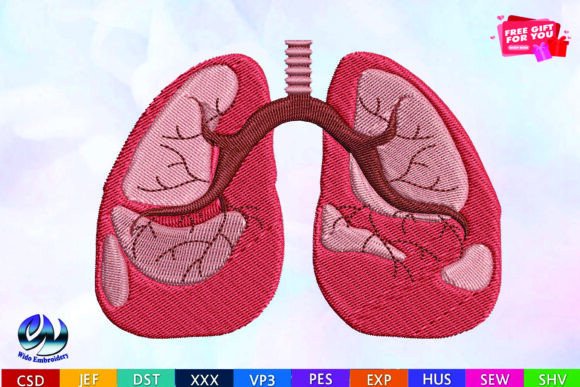
When I first opened the preview of the Lungs Embroidery Design, the immediate mood was playful yet anatomical. For a subject matter as serious as lungs, the execution leans heavily into the whimsical side, making it suitable for children's wear rather than medical apparel. The shape is organic, relying on curves that demand careful attention to stitch density. In my experience, organic shapes can easily look muddy if the fill stitch is too heavy or if the running stitch outlining is too thin. This design appears to balance these elements well, creating a silhouette that holds its own even at smaller scales. The visual personality suggests a "health-conscious" or "nature-inspired" theme, which fits perfectly into current trends for eco-friendly nursery decor or active kidswear.
The layout is compact, which is a double-edged sword. It allows for placement on small items like caps or bibs, but it requires precision. If you are planning to use this as an applique design, the edges need to be clean. The description mentions it works as a logo applique, implying a layered construction. This adds texture and depth, elevating the perceived value of the handmade product. However, it also means you must be comfortable with layering stabilizers and managing fabric scraps during the stitching process.
A Real-World Application: The Custom Tote Bag
To truly test the utility of the Lungs Embroidery Design, imagine a specific project: a custom embroidered tote bag for a local boutique selling sustainable goods for families. The goal is to create a statement piece that parents would want to carry while shopping for their children. You choose a sturdy cotton canvas, a neutral beige tone that contrasts well with the design.
In this scenario, the tote bag design benefits from the larger size options available in the package. The organic curves of the lungs allow the thread colors to pop against the natural fabric texture. As the needle moves, the satin stitch borders define the shape sharply, while the fill stitch inside provides coverage without puckering the thick canvas. The result is a professional-looking accessory that feels cohesive. Customers browsing your shop would likely react positively to the unique imagery, seeing it as a conversation starter about health and nature. This kind of distinct visual identity is crucial for a small shop product trying to stand out in a crowded market.
Conversely, consider using this same design on a baby onesie. Here, the stakes are higher. The fabric is thinner and stretchier, requiring a different approach to hooping and stabilizing. The baby embroidery application demands that the design does not irritate sensitive skin. If the stitch density is too high, the back of the embroidery might feel stiff or scratchy. In this case, you would need to test the design on scrap fabric first to ensure the tension is dialed in correctly. The smaller hoop sizes included in the package make this feasible, but only if you take the time to adjust your machine settings for delicate knits.
Navigating Fabric Challenges and Technical Constraints
While the Lungs Embroidery Design offers great potential, there are specific situations where caution is required. Working with textured fabrics, such as fleece or heavy denim, can obscure fine details. If the design includes tiny lettering or intricate internal lines, they may get lost in the weave of the material. Similarly, dark fabrics require careful consideration of thread colors. Without a solid underlay, lighter threads will bleed through or appear dull. Always check whether the design works for both light and dark backgrounds by reviewing the mockups provided.
Curved surfaces like caps present another challenge. The organic shape of the lungs might distort slightly when stitched onto a curved surface if the digitization does not account for the curvature. Before committing to a full run of custom apparel, always test the design on a sample cap to see how the shape sits. Additionally, products that undergo frequent washing, such as kitchen towels or aprons, need robust stitching. If the fill stitch is too loose, it may unravel over time, damaging the reputation of your brand.
Strategic Use for Craft Business Owners
For the Etsy seller or creative entrepreneur, the Lungs Embroidery Design represents a versatile asset for expanding your catalog. Its suitability for holiday gifts, personalized presents, and boutique branding makes it a valuable addition to your library. Imagine creating a set of matching pillow covers for a nursery, featuring the lungs design in soft pastel tones. Or perhaps an embroidered patch that customers can iron onto their jackets for a DIY touch. These applications increase the perceived value of your offerings and encourage repeat business.
However, success depends on more than just the design itself. You must ensure that your presentation aligns with the quality of the stitching. High-quality printable mockups are essential for showcasing the design in your listings. Show the design on various garments—a sweatshirt, a tote bag, a quilt block—to help customers visualize the final result. This builds trust and reduces return rates. Furthermore, maintaining consistency in your brand consistency is key. If your shop focuses on minimalist aesthetics, ensure the design complements that style rather than clashing with it.
Practical Designer Notes and Final Checklist
Before integrating the Lungs Embroidery Design into your workflow, follow these practical steps to ensure a flawless outcome:
- Test on Scrap Fabric: Never skip this step. Stitch the design on a piece of the actual fabric you plan to use to check for puckering, registration issues, or thread breakage.
- Check Thread Color Contrast: Ensure the chosen colors stand out against the background. Test swatches if you are unsure.
- Review Stitch Density: Adjust the density settings if the design looks too heavy or too sparse on your specific machine.
- Confirm Hoop Size: Match the design size to your hoop capabilities. Do not force a large design into a small hoop, as this leads to distortion.
- Inspect Small Details: Zoom in on the digitized file to check for gaps in the outline or uneven spacing in the fill.
- Use Proper Stabilizer: Select a stabilizer appropriate for the fabric weight and type. Tear-away for wovens, cut-away for knits.
- Verify Licensing: Confirm that the license allows for commercial use if you plan to sell finished items or digital files. Do not assume unlimited rights.
The Lungs Embroidery Design is a promising tool for designers looking to add a unique, thematic element to their projects. Whether you are creating a personalized gift for a friend or scaling up production for a craft business, its adaptability across different mediums is evident. By approaching it with a critical eye and adhering to best practices in machine embroidery, you can transform this digital file into a tangible, high-quality product that resonates with your audience. Remember, the difference between a good project and a great one often lies in the details—so take the time to perfect your technique before you start stitching.