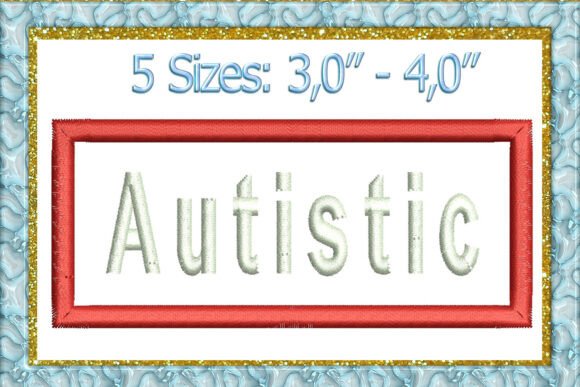
Autistic Applique Embroidery Design Review
As a professional embroidery designer who has spent years helping small businesses build their visual identity through thread and fabric, I approach every new machine embroidery design with a critical eye. When evaluating the Autistic Applique Embroidery Design, my goal is not just to see if it looks pretty, but to determine if it functions as a viable asset for commercial production. This specific design, marketed as an Autism Acceptance Gift and Awareness Patch, presents a unique opportunity for boutique owners, apparel decorators, and Etsy sellers to align their brand with inclusivity while offering high-quality merchandise. In this review, I will break down how this digital embroidery file performs in real-world business scenarios, from staff uniforms to branded tote bags.
First Impressions: Visual Personality and Brand Alignment
The first thing that strikes me about the Autistic Applique Embroidery Design is its potential to convey a message of warmth and acceptance without being overly cluttered. The dimensions provided—specifically the 4.00” x 1.74” size—suggest a horizontal layout that works exceptionally well for chest logos or sleeve accents. For a small business owner looking to create small business merch that resonates with the neurodivergent community, this design offers a modern yet classic aesthetic. It feels less like a temporary decoration and more like a permanent statement of values.
In the world of brand identity, consistency is key. This design fits seamlessly into a portfolio of inclusive products. Whether you run a creative studio, a local café, or a handmade shop, adding this patch to your product line signals to your customers that your business is a safe and welcoming space. The appliqué style adds texture and depth, which elevates the perceived value of the finished product compared to standard flat embroidery. This tactile quality is crucial for handmade brands where the physical touchpoint of the item matters as much as the visual appeal.
Practical Applications for Small Business Merchandise
When considering how to integrate the Autistic Applique Embroidery Design into your inventory, versatility is its greatest strength. Here are several ways I recommend utilizing this embroidery file for maximum impact:
- Staff Uniforms and Aprons: For a bakery, florist, or boutique, placing this design on the left chest of staff aprons or shirts creates immediate recognition. It turns a uniform into a conversation starter and reinforces your company culture of acceptance.
- Custom Apparel Patches: The design is explicitly described as suitable for backpacks, tablet sleeves, and vests. Creating embroidered patches allows you to sell them as standalone items or attach them to existing stock. This is a low-risk way to test market demand before committing to full garment production.
- Tote Bag Design: A sturdy canvas tote bag is a staple for eco-conscious brands. Placing this design prominently on the front transforms a simple carrier into a promotional tool that customers will proudly use in public.
- Cap Embroidery: While caps have curved surfaces, the horizontal nature of this design makes it a strong candidate for cap fronts, provided the stabilizer is chosen correctly to prevent puckering.
- Event Merchandise: If your business hosts workshops or community events, this design serves as an excellent giveaway or badge for attendees, fostering a sense of belonging.
For Etsy sellers and crafters, this design acts as a powerful differentiator. In a saturated market, offering products that support awareness causes can significantly boost buyer engagement and customer trust. It shows that your brand cares about more than just profit.
Critical Considerations for Production Quality
While the Autistic Applique Embroidery Design is promising, experienced decorators know that success lies in the details. Before running a bulk order, there are specific technical factors you must address to ensure a professional finish.
Size and Placement Constraints
The largest size offered is 4.00” x 1.74”. This is a substantial width for a logo but relatively narrow. If you plan to use this on small items like keychains or very small patches, you may need to scale it down. However, be cautious: reducing the size too much can compromise the integrity of the appliqué edges and make any text or symbols difficult to read. Always check the smallest available size in the file package to ensure it remains legible at that scale.
Fabric Texture and Stabilization
Appliqué designs rely heavily on the underlying fabric and the stabilizer used. If you are applying this to textured fabrics like heavy denim, fleece, or thick canvas, you must use a cutaway stabilizer to support the layers. Without proper stabilization, the fabric may pucker, causing the edges of the appliqué to lift over time. For smoother fabrics like cotton twill or polyester blends, a tear-away stabilizer might suffice, but always test first.
Thread Colors and Contrast
The visual impact of this design depends on the contrast between the appliqué material and the base garment. If you are using dark uniforms, ensure the appliqué fabric is light enough to stand out. Conversely, on light-colored garments, a bold, colorful appliqué will grab attention. Review the thread colors included in the digital embroidery file and consider how they pair with your brand palette. High stitch density is common in appliqué borders; ensure your machine tension is adjusted to prevent thread bunching.
Designer Notes: Testing and Licensing
Before you commit to a large production run of commercial embroidery, follow these essential steps to protect your business reputation:
- Test in Black and White: Run a test stitch-out using black thread on white fabric first. This helps you identify any spacing issues, jump stitches, or alignment errors without wasting expensive colored thread or specialty fabric.
- Verify Hoop Size: Confirm that the 4.00” width fits comfortably within your machine’s hoop. If you are using a smaller hoop, you may need to re-hoop mid-stitch, which increases labor time and the risk of misalignment.
- Create a Printable Mockup: Use the design assets to create a realistic mockup for client approval. Show the design on a shirt, hat, or bag so your customers can visualize the final look before purchasing.
- Check Commercial Licensing: This is non-negotiable. Ensure that the license terms for the Autistic Applique Embroidery Design allow for unlimited commercial use. Many designers restrict the number of items you can produce or require a specific type of license for selling finished goods. Do not assume the file is free for all uses; clarify this with the seller to avoid legal issues.
- Inspect Spacing: Look closely at the digitized file for adequate spacing between the appliqué piece and the satin stitch border. Insufficient spacing can lead to threads getting caught under the fabric edge during stitching.
Conclusion: Elevating Your Brand Through Thoughtful Design
The Autistic Applique Embroidery Design is more than just a decorative element; it is a strategic tool for small business owners who want to communicate their values through tangible products. By carefully selecting the right applications—from apron embroidery to custom patches—you can enhance your brand identity and connect deeply with your audience. However, the quality of the finished product relies on your attention to detail regarding stabilizers, fabric choices, and licensing.
As you move forward with incorporating this design into your catalog, remember that professionalism builds trust. A well-executed patch or logo tells your customers that you take pride in your work and care about the communities you serve. Whether you are a seasoned decorator or a budding crafter, taking the time to test and refine your process ensures that your handmade product stands out in a crowded marketplace. With the right execution, this design can become a signature element of your brand, driving sales and fostering a loyal customer base.