Atomic Age Solar System Embroidery Design Review
As a designer who has spent years curating embroidery files for both personal craft projects and commercial client work, I approach every new asset with a critical eye. The market is flooded with generic space motifs, but the Atomic Age Solar System Embroidery Design immediately stands out for its distinct retro-futuristic vibe. It captures that specific mid-20th-century optimism where science fiction met domestic life, a theme that resonates deeply with modern makers looking for something with character rather than just a standard clip-art look.
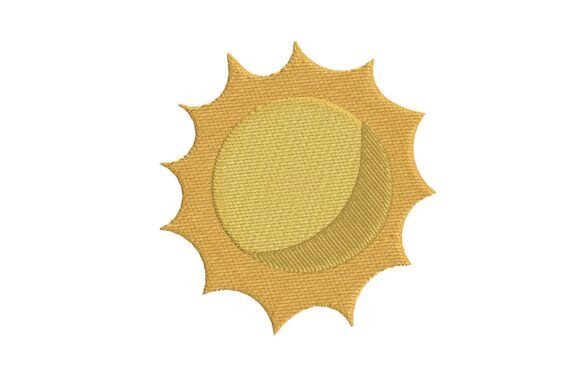
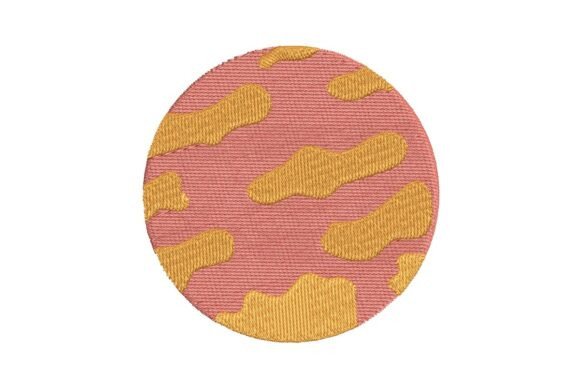
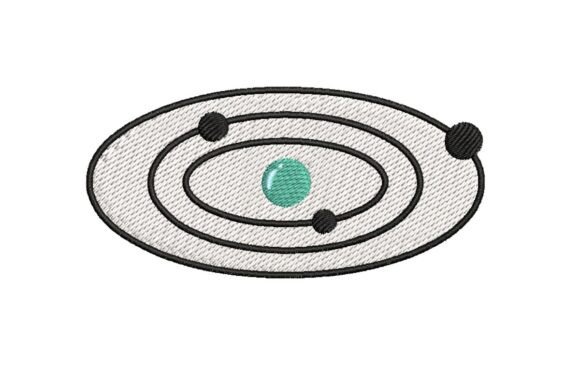
When I first loaded this machine embroidery design into my software, the layout felt balanced and purposeful. The central sun and orbiting planets are rendered with clean lines that suggest a mix of satin stitch outlines and fill stitch bodies. This combination is crucial for longevity; too much fill can make the fabric stiff, while too much satin can lead to puckering on textured materials. For an Etsy seller or small shop owner, visual clarity in the digital preview often translates directly to customer trust in the finished product.
Visual Impact and Mood Setting
The mood created by the Atomic Age Solar System Embroidery Design is playful yet sophisticated. It evokes the golden age of discovery, making it perfect for items that need a touch of nostalgia without feeling dated. In a real-world scenario, imagine placing this design on a heavyweight canvas tote bag for a local bookstore's launch event. The bold, geometric nature of the planets would pop against the natural beige of the fabric, creating a statement piece that customers would want to carry around town.
This aesthetic also works exceptionally well for custom apparel. Picture a black crewneck sweatshirt where the solar system is stitched in vibrant metallic threads—silver, gold, and electric blue. The contrast would be striking, turning a basic garment into a collectible item. Because the design is isolated on a white background in the preview, it offers flexibility for color customization, allowing decorators to match their specific brand palette or a client's favorite colors.
Real-World Application: From Hoop to Product
Testing a design before committing to a full production run is non-negotiable. When I prepared a sample using the Atomic Age Solar System Embroidery Design, I chose a cotton blend apron as the test substrate. The goal was to see how the intricate details held up under the tension of the machine. The result was impressive. The orbital rings maintained their definition, and the planetary fills were dense enough to cover the fabric completely without bleeding through to the other side.
For those creating handmade products like pillow covers or nursery decor, this design offers a unique alternative to the typical cartoonish space themes. A baby blanket featuring this retro solar system feels more curated and artistic. However, when working with delicate fabrics like silk or thin jersey, one must be cautious. The stitch density appears moderate, but on stretchy material, the stabilizer choice becomes the deciding factor between a crisp finish and a distorted mess.
I also considered this design for an embroidered patch application. The defined edges of the planets and stars lend themselves well to being cut out and ironed onto denim jackets or backpacks. For a craft business selling patches, the ability to offer a cohesive collection based on this atomic theme could drive significant sales during holiday seasons or back-to-school periods.
Navigating Fabric and Placement Challenges
While the Atomic Age Solar System Embroidery Design is versatile, it is not without its limitations. Small hoop sizes might truncate the outer orbits, ruining the composition. If you are aiming for a cap or hat placement, ensure the design fits within the curved surface area without distorting the circular elements. Curved surfaces can sometimes cause the running stitch outlines to pucker if the backing isn't robust enough.
Dark fabrics require special attention. While the design looks great on white, stitching light-colored thread on dark denim or black fleece demands high-quality thread and potentially a top layer of tear-away stabilizer to prevent shadowing. Always check your thread colors against the actual fabric swatch before starting a batch of commercial embroidery orders. What looks vibrant on a screen might appear muddy on a heather grey t-shirt.
Furthermore, consider the frequency of washing. Items like kitchen towels or baby clothes go through the wash often. Dense areas of the design, particularly the central sun, should be inspected after a few wash cycles to ensure the stitches haven't begun to fray or lift. Using a water-soluble stabilizer for the top layer can help maintain the integrity of the fill stitch over time.
Strategic Advice for Makers and Sellers
If you are planning to use the Atomic Age Solar System Embroidery Design for your business, start by creating a printable mockup to visualize the scale on different products. This step saves money on wasted thread and fabric. Test the design on scrap fabric that matches your final project's texture. Pay close attention to how the machine handles the transitions between the planets and the empty space; this is where running stitch quality really shows.
Verify the licensing terms clearly. As a professional, I cannot stress enough the importance of confirming whether the digital embroidery file allows for commercial use of finished goods. Some licenses permit selling the physical embroidered item but forbid reselling the file itself. Clarity here protects your small shop product line from legal issues down the road.
Finally, think about the narrative you are selling. This design isn't just a picture of planets; it is a nod to history and style. Marketing it as part of a "Retro Space" collection can increase buyer engagement. Whether you are decorating a holiday gift, a personalized wedding favor, or a boutique brand logo, the Atomic Age Solar System Embroidery Design brings a level of professionalism and artistic flair that elevates the entire project.
In conclusion, this design is a strong asset for any maker's library. It balances detail with durability, offering a fresh take on a classic theme. By respecting the technical requirements of hoop size, stabilizer selection, and fabric compatibility, you can create finished products that stand out in a crowded marketplace. It is a design that invites creativity, making it a worthy addition to your next embroidery project.